

The History of the Lusitano
One of the World’s Oldest Riding Horses
The Lusitano is far more than a beautiful horse—it is a living part of Portugal’s history and cultural identity. For thousands of years, the people of the Iberian Peninsula have developed a unique partnership with their horses, shaping a breed admired for its intelligence, courage, athleticism and willingness to work alongside people.
Today, the Lusitano is recognised throughout the world for its success in classical dressage, Working Equitation, carriage driving and many other equestrian disciplines. Yet the qualities that make the breed exceptional today were not developed for sport. They were shaped over centuries by the demands of everyday life, agriculture, cavalry, and the traditions of Portugal itself.
Ancient Origins
The story of the Lusitano begins on the Iberian Peninsula, where horses have lived for thousands of years. Ancient cave paintings discovered in Portugal, including those at Escoural in the Alentejo, depict horses that bear a striking resemblance to the modern Lusitano, reflecting the long relationship between horses and the people of this region.
Protected by mountains to the north and the Atlantic Ocean to the west, the Iberian Peninsula developed its own distinctive horse population over many centuries. These native horses evolved into intelligent, agile and remarkably sure-footed animals, perfectly suited to the varied Portuguese landscape.
The ancient Roman province of Lusitania, from which the modern breed takes its name, covered much of present-day Portugal. Although the breed became officially known as the Lusitano only in the twentieth century, its roots extend deep into Portugal’s ancient history.
The Barb Horses
During the years 711 – 1294, large sections of Iberian Peninsula were controlled by the Moors who came from North Africa. They brought with them the Barb horse and crossed that horse with the native Lusitano horse. However, horses from Portugal had been sent over to North Africa for centuries before the Moors invaded Portugal. Thus, the introduction of the Barb bloodlines was actually a reintroduction of bloodlines originating from the Iberian Peninsula. It must be pointed out here that the Barb horse was distinctly different from the Arabian horse and very much resembled the Lusitano horse. Many confuse the Barbs and Arabians, and suggest the Iberian horses were crossed on Arab horses during this time; when in fact it was Barb horses which had previously been developed from Iberian horses. Of course, there were also Arabian horses which were crossed with the Iberian Horses.
A Horse Shaped by Function
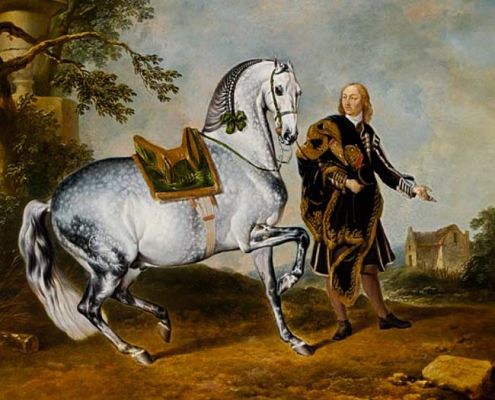
Unlike many modern breeds developed primarily for competition, the Lusitano was bred to perform practical work.
For generations these horses served as cavalry mounts, working horses on large agricultural estates, companions to shepherds and cattlemen, and partners in the Portuguese tradition of mounted bullfighting. Each role demanded exceptional balance, courage, intelligence and complete trust between horse and rider.
Breeders selected horses that could think independently while remaining willing and responsive. The result was a horse capable of collecting naturally, changing direction with remarkable agility and remaining calm under pressure—qualities that continue to define the Lusitano today.
The Horse and the Bull
One of the defining influences on the Lusitano’s development was its close relationship with cattle.
For centuries, horses and cattle worked side by side on Portugal’s great estates. Managing cattle required horses that were quick, athletic and able to anticipate the movements of livestock while remaining calm and obedient to their rider.
These practical demands helped shape the Lusitano’s natural agility, courage and intelligence. Today these same qualities are celebrated in Working Equitation and remain evident in the breed’s exceptional ability to collect, turn and respond with precision.
Portugal's Royal Horse
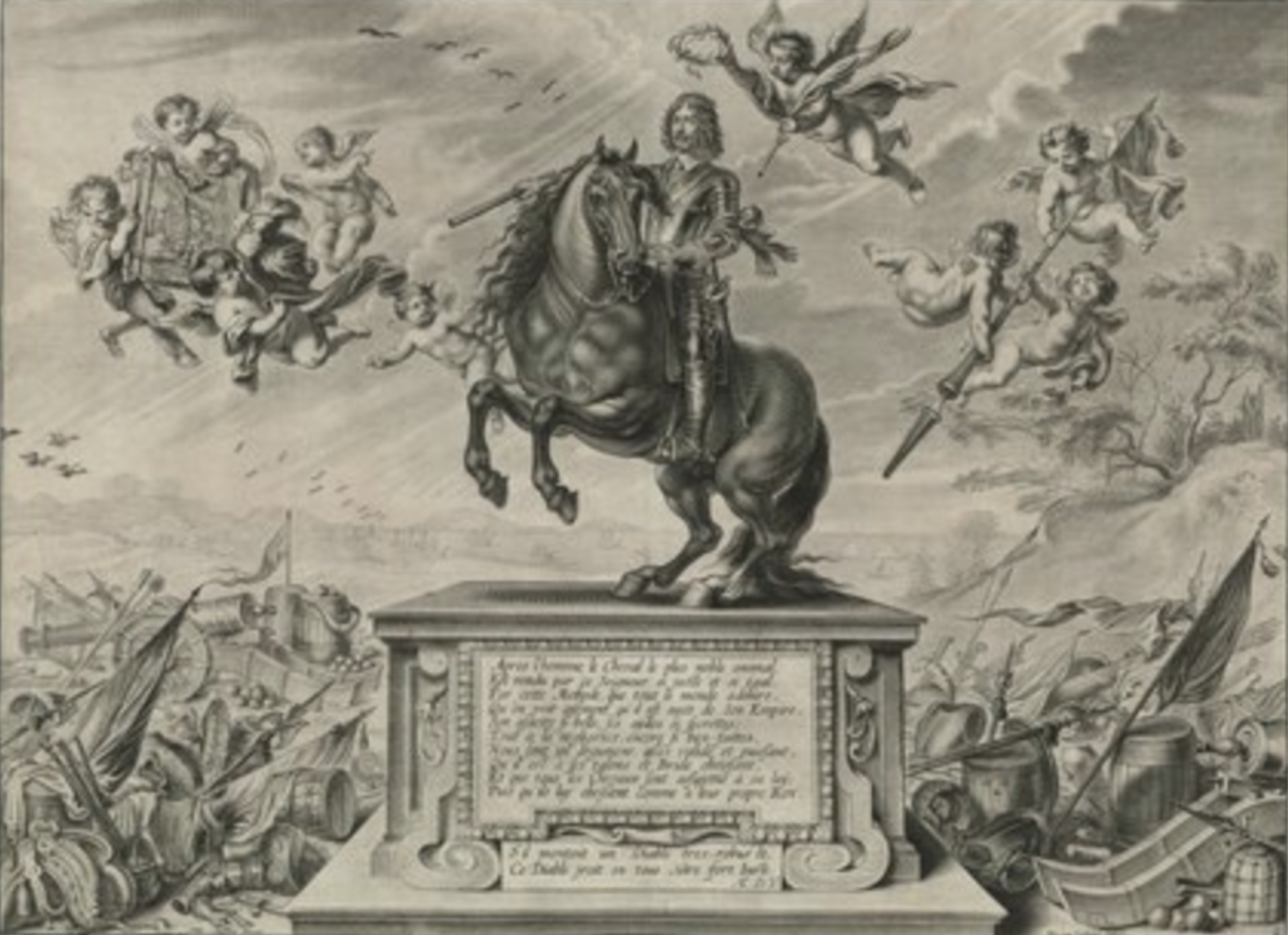
Throughout history, the Lusitano became closely associated with the Portuguese Royal Court and the country’s cavalry traditions.
The breed was admired for its elegance as well as its functionality, becoming the preferred mount of nobles, military officers and accomplished horsemen. During the eighteenth century, the establishment of the Alter Real Stud further strengthened Portugal’s commitment to preserving horses of exceptional quality for the Royal Household.
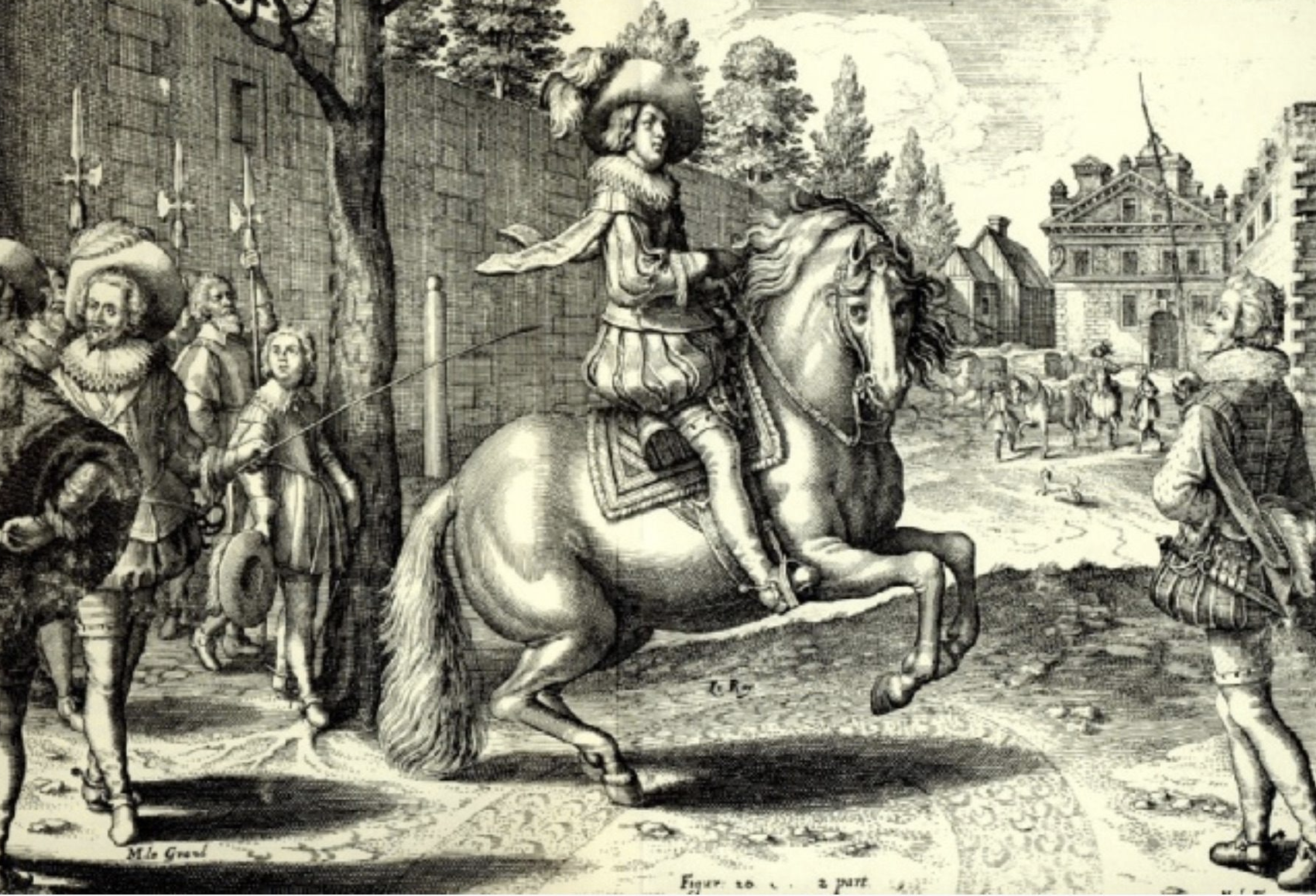
Many of the principles of classical horsemanship that continue to influence riders today were refined through generations of Portuguese horsemen working with these remarkable horses.

Preserving the Breed
Although the Lusitano’s history stretches back thousands of years, the modern breed has been carefully protected through organised breeding programmes.
Portugal’s historic coudelarias—including Alter Real, Veiga, Andrade and Coudelaria Nacional—played a vital role in preserving the qualities that define the breed. Their careful selection of breeding stock established bloodlines that continue to influence Lusitanos around the world.
Today, the Portuguese Association of Purebred Lusitano Horse Breeders (APSL) maintains the official Stud Book. Stallions and mares must pass rigorous breeding approval before their offspring can be registered as Purebred Lusitanos, ensuring that future generations continue to meet the breed’s demanding standards.
The Modern Lusitano
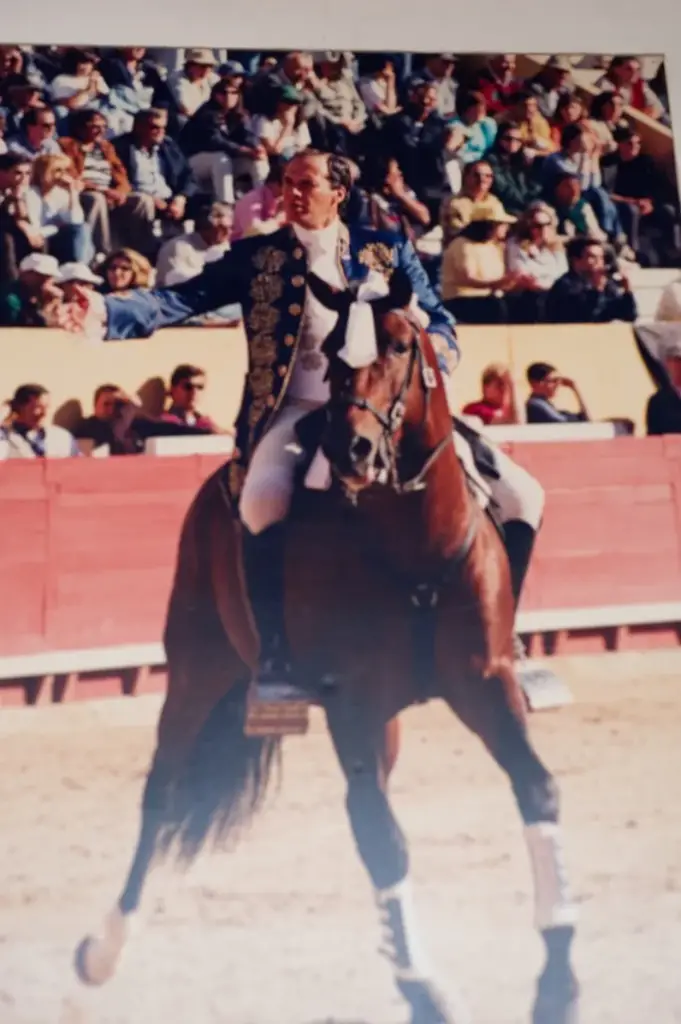
Today the Lusitano is admired across the world as one of the most versatile riding horses.
Its intelligence, generous temperament and athletic ability allow it to excel in classical dressage, international dressage, Working Equitation, carriage driving, leisure riding and many other disciplines. Equally at home with professional competitors and amateur riders, the Lusitano has earned a reputation as a willing partner capable of developing deep and lasting relationships with people.
While the breed has successfully adapted to the modern world, it has never lost the qualities that made it so highly valued throughout Portuguese history.
A Living Heritage
The Lusitano is more than a horse—it is one of Portugal’s greatest living cultural treasures.
Its story reflects the history of a nation, shaped by centuries of careful breeding, practical work and classical horsemanship. Every registered Lusitano carries forward that heritage, connecting today’s riders with generations of breeders, horsemen and horses that have helped preserve one of the world’s oldest and most admired riding breeds.
DISCOVER LUSITANOS – HOW THEY ARE NAMED – FOUNDATION BLOODLINES – BREEDERS