

The Classical Riding Masters
“The horse is a mirror to your soul” - Mestre Nuno Oliveira
For more than two thousand years, remarkable horsemen have shaped the art of classical horsemanship. Across different countries, cultures and generations, each has added new understanding to the training of the horse, while building upon the knowledge passed down by those who came before.
Although methods and opinions have often differed, the greatest masters shared a common ambition: to develop a horse that was stronger, more balanced, more willing and able to perform with harmony, lightness and pride. Their writings, teachings and example continue to influence riders throughout the world today.
From the philosophy of Xenophon in Ancient Greece, through the great riding academies of the Renaissance, to the celebrated European masters and the distinguished horsemen of modern Portugal, the story of classical horsemanship is one of continual learning and refinement.
This introduction offers a brief journey through some of the most influential figures in that history. It is not intended as a complete record—many remarkable horsemen have contributed to the evolution of classical riding—but rather an introduction to those whose ideas have helped shape the tradition we know today.
At Lusitano Heritage we believe this tradition is not simply part of history. It continues to evolve through the work of dedicated horsemen and women who preserve, practise and share these principles with new generations. Through our interviews and conversations with many of today’s leading trainers, we hope to contribute to the continuing story of classical horsemanship.
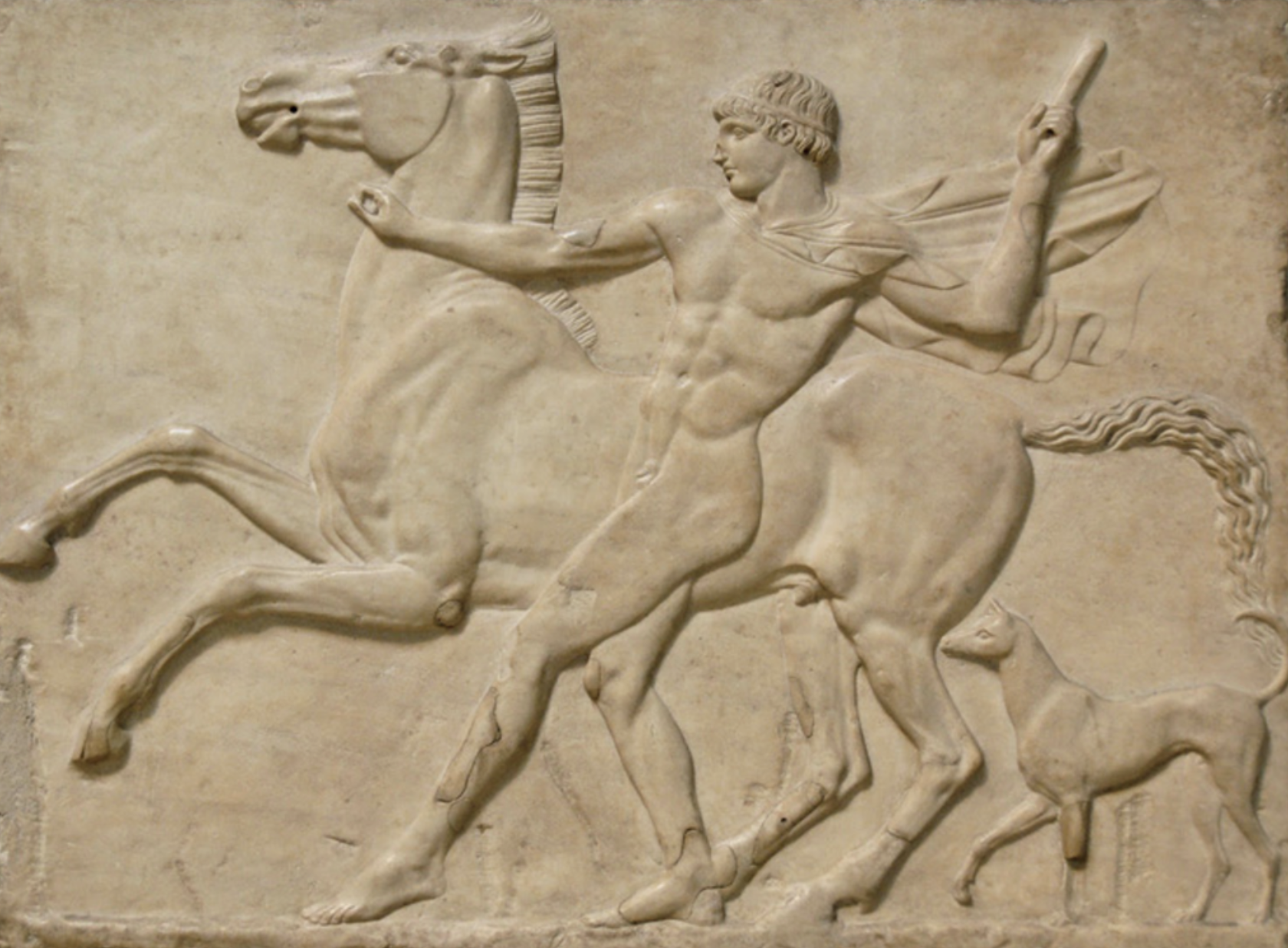
Xenophon (c. 430–354 BC)
Widely regarded as the earliest writer on horsemanship whose work has survived, Xenophon laid the foundations for many principles that still underpin classical riding today. His treatise On Horsemanship emphasised kindness, patience and the importance of understanding the horse rather than relying on force. Remarkably modern in its outlook, Xenophon’s philosophy recognised that a willing horse performs with greater beauty and confidence than one trained through fear. More than two thousand years later, his teachings continue to inspire riders seeking harmony between horse and human.
Dom Duarte (1391–1438)
King Dom Duarte of Portugal was one of the earliest European authors to write extensively about riding and horsemanship following the classical period. His remarkable work, Livro da Ensinança de Bem Cavalgar Toda Sela, explores not only riding technique but also the mental discipline required of the rider. He wrote thoughtfully about courage, self-control and understanding fear, recognising that successful horsemanship depends as much on the rider’s character as on technical skill. His work remains an important milestone in Portugal’s rich equestrian heritage.
Federico Grisone (c. 1507–1570)
Federico Grisone founded one of the first great riding academies of the Renaissance in Naples. His influential book Gli Ordini di Cavalcare, published in 1550, became one of the earliest widely distributed manuals on riding. Although some of his methods are now considered harsh by modern standards, his work helped establish systematic approaches to horse training and profoundly influenced European horsemanship for generations.
Antoine de Pluvinel (1552–1620)
A pupil of the Italian riding schools, Antoine de Pluvinel became one of France’s most celebrated riding masters and tutor to King Louis XIII. Rejecting many of the harsher practices of his time, he championed gentler methods based on patience, praise and careful communication. His use of pillar work and gymnastic exercises helped refine the education of the horse and laid important foundations for later classical training.
François Robichon de la Guérinière (1688–1751)
Often regarded as one of the greatest architects of classical dressage, de la Guérinière refined the principles of earlier masters into a systematic training philosophy. His influential work L’École de Cavalerie introduced exercises such as the shoulder-in, which remains fundamental to classical schooling today. His emphasis on balance, suppleness and progressive gymnastic development continues to influence riders throughout the world.
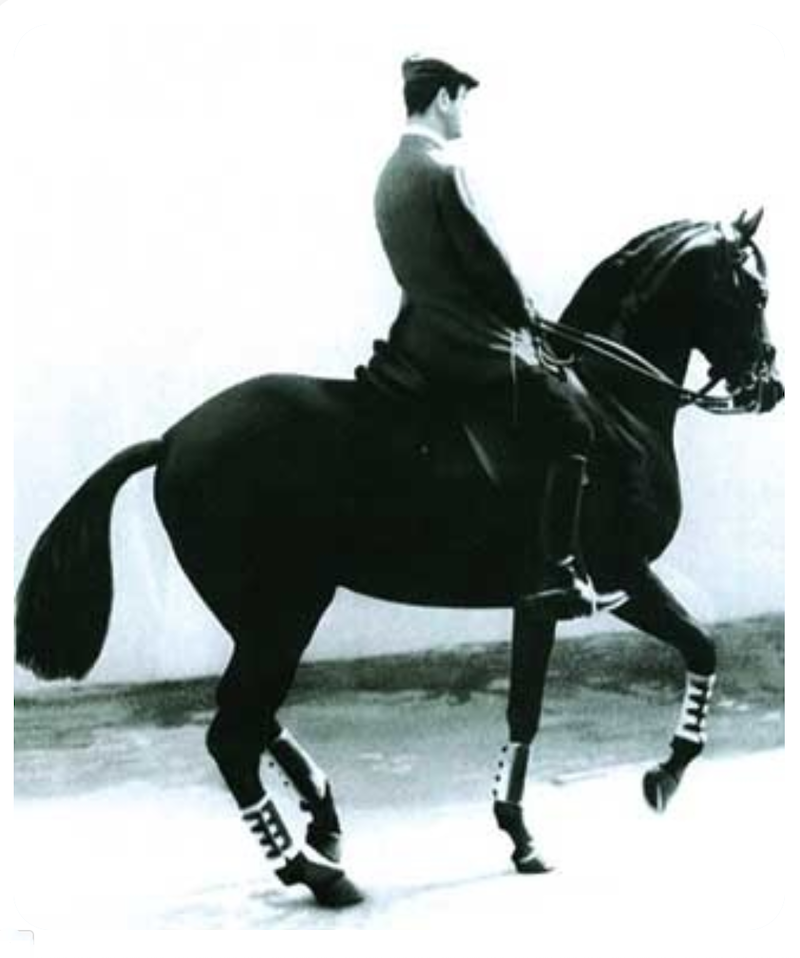
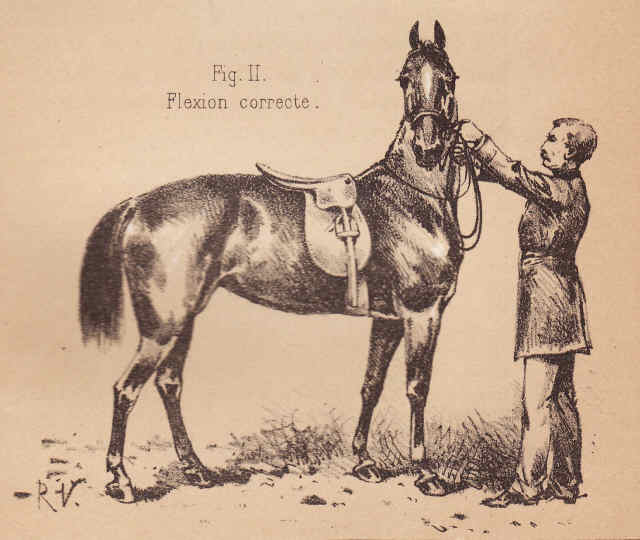
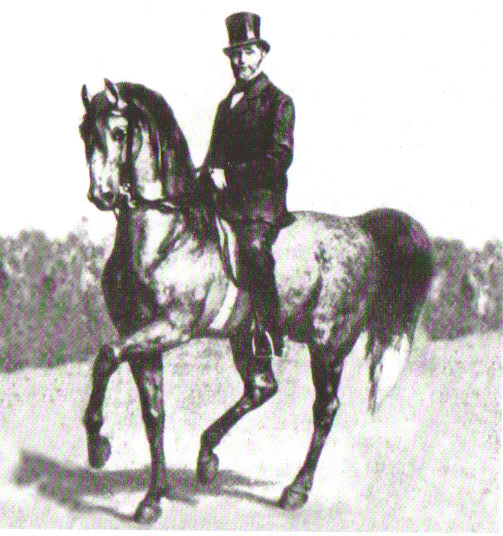
Marquis of Marialva (1713–1799)
Dom Pedro José de Alcântara de Menezes, better known as the Marquis of Marialva, was one of Portugal’s greatest horsemen and Chief Equerry to King José I. Responsible for the Royal Riding School and the Alter Real Stud, he became renowned for his pursuit of lightness, elegance and harmony. His philosophy, preserved through the writings of his student Manuel Carlos de Andrade, continues to influence Portuguese equestrian tradition and remains closely associated with the Portuguese School of Equestrian Art.
François Baucher (1796–1873)
Few horsemen have generated as much discussion as François Baucher. A brilliant and innovative French trainer, Baucher challenged many accepted ideas of his time and introduced new approaches centred on balance, lightness and refined communication. His methods divided opinion during his lifetime and continue to be debated today, yet his influence on modern dressage and classical horsemanship is undeniable. Whether admired or criticised, Baucher remains one of history’s most influential equestrian thinkers.
General Alexis L’Hotte (1825–1904)
A student of both François Baucher and Antoine d’Aure, General Alexis L’Hotte sought to combine the strengths of two very different schools of thought. Best remembered for his famous principle, “Calm, Forward and Straight,” he believed true horsemanship came from simplicity, balance and respect for the horse. His teachings continue to influence the French classical tradition and the Cadre Noir of Saumur.
Gustav Steinbrecht (1808–1885)
German master Gustav Steinbrecht is best known for his influential work The Gymnasium of the Horse, published after his death in 1886. His philosophy centred on the systematic gymnastic development of the horse, allowing strength, balance and collection to develop gradually through correct training. His famous advice to “ride your horse forward and make him straight” remains one of the guiding principles of classical dressage today.
Alois Podhajsky (1898–1973)
As Director of the Spanish Riding School in Vienna, Alois Podhajsky played a crucial role in preserving one of the world’s greatest classical riding institutions through the turmoil of the Second World War. An accomplished Olympic rider, teacher and author, his books introduced generations of riders to the principles of classical horsemanship. Podhajsky believed that patience, correct training and respect for the horse could never be hurried, a philosophy that remains as relevant today as ever.
Mestre Nuno Oliveira (1925–1989)
Widely regarded as one of the most influential classical horsemen of the twentieth century, Mestre Nuno Oliveira dedicated his life to the pursuit of lightness, harmony and understanding between horse and rider. Drawing inspiration from earlier masters including Guérinière, Baucher and Steinbrecht, he combined technical brilliance with extraordinary sensitivity. Through his teaching, demonstrations and numerous books, Oliveira inspired riders around the world and helped renew global appreciation for classical horsemanship. His influence continues to shape generations of horsemen today.
Mestre Luís Valença (1946– )
One of Portugal’s most respected contemporary riding masters, Mestre Luís Valença has devoted his life to preserving and sharing the traditions of classical horsemanship. A student of the Royal Equerry Mestre D. José Manuel da Cunha Menezes and later the principal apprentice and assistant to Nuno Oliveira, he has taught countless horses and riders throughout the world. Renowned for his kindness, generosity and profound understanding of the horse, Master Valença continues to inspire new generations while ensuring that Portugal’s classical tradition remains vibrant and alive.